What are

Your urine contains many dissolved minerals and salts. If they
are present in an excessively high amount, they could cause the formation of kidney stones.

What are the symptoms of Kidney Stones?
Stones in the kidney often do not cause any symptoms and can go
undiagnosed. When a stone leaves the kidney, it travels to the bladder through the ureter.
Often the stone can become lodged in the ureter. When the stone blocks the flow of urine out
of the kidney, it can cause the kidney to swell (hydronephrosis), often causing a lot of
pain.
What are the symptoms of Kidney Stones?
Stones in the kidney often do not cause any symptoms and can go
undiagnosed. When a stone leaves the kidney, it travels to the bladder through the
ureter. Often the stone can become lodged in the ureter. When the stone blocks the flow
of urine out of the kidney, it can cause the kidney to swell (hydronephrosis), often
causing a lot of pain.
Common symptoms of Kidney Stones are:

A sharp, cramping pain in the back and side, often moving from the side to
the lower abdomen or groin.
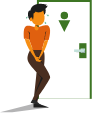
Feeling an intense need to urinate.

Urinating more often or a burning feeling during urination.

Urine that is dark or red due to blood in the urine.
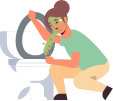
Nausea and vomiting.

Men may feel pain at the tip of their penis.
What Causes Kidney Stones?

 Low urine
volume
Low urine
volume

 Diet
Diet

 Obesity

 Medical
conditions
Medical
conditions

 Family
history
Family
history
References
1. Investigators explore relationship between obesity and kidney stone formation.
https://www.urologytimes.com/view/investigators-explore-relationship-between-obesity-and-kidney-stone-formation.
Accessed 21 June 2021
1. Investigators explore relationship between obesity and kidney stone formation.
https://www.urologytimes.com/view/investigators-explore-relationship-between-obesity-and-kidney-stone-formation.
Accessed 21 June 2021
Tips to prevent Kidney Stones
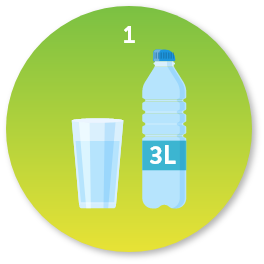
Drink at least 3 litres of fluid a day
Spread your fluid intake through the day and cut down on sugary
drinks and alcohol.
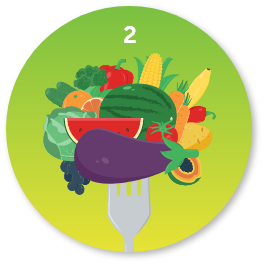
Eat more fruits and vegetables
The potassium, fibre, magnesium, antioxidants, phytate and
citrate from fruits, may keep stones from forming.
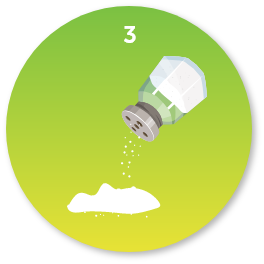
Reduce your salt intake
Sodium can cause both urine calcium and cystine to be too
high.
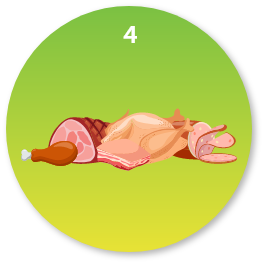
Eat less meat
High protein foods contain purine. Too much purine raises uric
acid levels and may cause kidney stones.
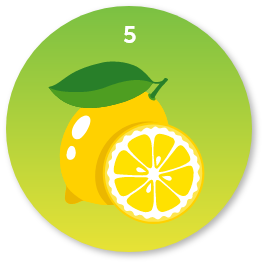
Consume more citrate
Citrate helps prevent calcium stones. Consuming a urinary
alkalinizer like Ural®, which contains citrate, may prevent urinary
stones formation.
Be wary of home remedies
It’s always best to consult a doctor for the right course of
action.
Drink at least 3 litres of fluid a day
Spread your fluid intake through the day and cut down on sugary
drinks and alcohol.
Eat more fruits and vegetables
The potassium, fibre, magnesium, antioxidants, phytate and citrate
from fruits, may keep stones from forming.
Reduce your salt intake
Sodium can cause both urine calcium and cystine to be too high.
Eat less meat
High protein foods contain purine. Too much purine raises uric acid
levels and may cause kidney stones.
Consume more citrate
Citrate helps prevent calcium stones. Consuming a urinary
alkalinizer like Ural®, which contains citrate, may prevent urinary stones
formation.
Be wary of home remedies
It’s always best to consult a doctor for the right course of
action.